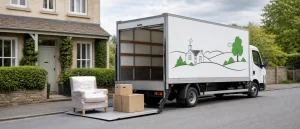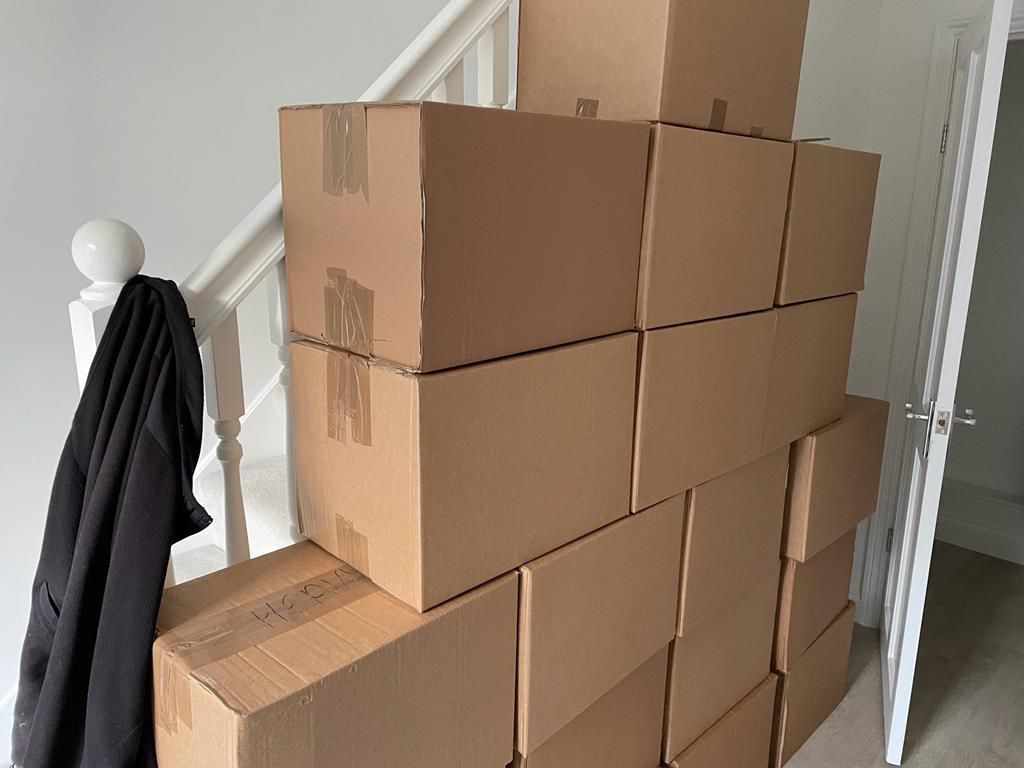
Moving house is one of life’s most stressful events, but with a bit of planning and organisation, you can make the whole process much smoother.
One of the most overlooked parts of moving is how you label your boxes. It might seem like a small detail, but doing it properly can make a massive difference when it comes to unpacking at the other end.
Rather than ripping open random boxes in search of the kettle or your toothbrush, a clear labelling system helps everything go exactly where it belongs.
In this post, we’ll show you how to label boxes like a pro so you can enjoy a far less chaotic, stress-free moving day.
Start with the Right Supplies
Before you even begin packing, it’s worth gathering all the supplies you’ll need to label your boxes properly.
A few permanent markers are essential—ideally waterproof and in different colours if you want to get extra organised.
Coloured tape, stickers, and pre-printed labels can also be a game-changer, especially if you’re moving a large household.
You might also consider using a simple notebook or spreadsheet to keep track of your box numbers and contents.
This doesn’t have to be complicated—just a quick list noting which box number contains what. It can make unpacking a breeze and help you spot if anything’s gone missing during the move.
Label on Multiple Sides
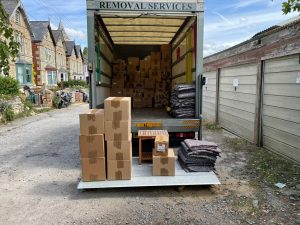
When you’re stacking boxes in a van or in storage, only the sides may be visible, so avoid the common mistake of labelling just the top.
Always write your labels on at least two sides of the box, as well as the top, to make them easy to identify from different angles.
Try to be consistent by placing labels in the same position on each box—say, the top-right corner.
This helps you or your removal team scan the boxes without having to lift or twist anything unnecessarily. It might seem like overkill, but it speeds things up on the day.
Use Clear Room Names
Generic labels like “Living Room” or “Bedroom” are a start, but you’ll want to be more specific, especially if you’re moving into a property with more rooms.
Use clear room names such as “Master Bedroom,” “Kids’ Bedroom,” or “Downstairs Bathroom” to avoid any confusion when unloading.
It’s also worth matching your room labels to how you plan to use the rooms in your new home.
For instance, if your current dining room is becoming an office, label it as “New Office” to help your removal team place it correctly. Clarity here saves time and reduces frustration later.
Include a Brief List of Contents
Writing just the room name isn’t always enough, especially if you’ve got multiple boxes going to the same place.
Including a quick rundown of the contents—like “Kitchen – Pans & Utensils” or “Bedroom – Jumpers & Jeans”—makes unpacking far more manageable.
It also helps with prioritising which boxes to open first. You might not need your spare bedsheets straight away, but you’ll want to find your work clothes or toiletries quickly.
A little detail goes a long way when you’re living out of boxes for the first few days.
Prioritise with a Numbering System
Numbering your boxes is a brilliant way to stay organised, particularly if you’re creating an inventory list alongside them. For example, “Box 12 of 25 – Lounge – DVDs & Remotes” gives you a sense of how many boxes you’ve got and where everything is.
This is especially helpful if you’re using a removal company and want to make sure nothing goes astray.
A numbering system also means you can keep a master list with fuller descriptions in a notebook or phone.
This helps you track your most important items and know exactly where they are without rummaging through everything. It’s one of the easiest ways to stay in control during a big move.
Colour-Code by Room
Colour-coding is a simple yet incredibly effective system for sorting your boxes. Assign a colour to each room—red for the kitchen, green for the living room, blue for the master bedroom, and so on.
Use coloured tape, stickers, or even labels printed on coloured paper to make it obvious at a glance where each box belongs.
To take it one step further, you could place matching coloured signs on the doors at your new property.
This way, the movers (or helpful friends and family) will know exactly where each box should go without needing to ask. It speeds everything up and avoids unnecessary confusion.
Mark Fragile Items Clearly
Any box containing fragile or breakable items should be labelled boldly and clearly. Use large “FRAGILE” stickers or write the word in capital letters with a red marker.
Make sure this is visible on multiple sides of the box to prevent it from being accidentally mishandled.
Also indicate which way up the box should be carried—especially if it contains glassware, electronics or anything delicate.
A simple “This Way Up” with arrows can make a big difference. You want your items to arrive intact, not in pieces.
Pack an ‘Essentials’ Box and Label It Prominently
An “essentials” box is your secret weapon for surviving moving day. This should include things like your kettle, mugs, tea bags, phone chargers, toilet roll, snacks, and any medications. Clearly label this box with something like “OPEN FIRST – MOVING DAY ESSENTIALS” so it doesn’t get lost in the pile.
Keep your essentials box either with you in your car or right at the front of the van for easy access. Having all your daily necessities in one place means you won’t be tearing through boxes just to make a brew or brush your teeth after a long day.
Use Digital Tools for Labelling and Inventory (Optional)
For those who prefer a digital approach, there are plenty of apps and tools to help you stay organised.
You could use a spreadsheet to track each numbered box, or even explore moving apps that let you scan QR codes and pull up content lists on your phone.
While it’s not essential, digital methods can give you extra peace of mind, especially if you’re moving a large home or want to make sure nothing is missed.
It’s also useful if you’re planning to store boxes long-term and want to keep tabs on what’s where.

Conclusion
Properly labelling your moving boxes might seem like a small task, but it can make the whole unpacking process far easier and far less stressful.
From colour-coding and detailed descriptions to numbering and essential kits, these simple techniques will help you settle into your new home with ease.
At Triple A Removals, we’re more than happy to assist with your packing and offer advice along the way.
If you want a move that’s smooth from start to finish, get in touch with our friendly team today—we’re here to help every step of the way.