Heavy furniture is often the part of a home move that makes people pause. Sofas, wardrobes, dining tables, appliances and bulky cabinets can be awkward to lift, easy to mark and difficult to manoeuvre through tight spaces.
Professional movers deal with these challenges every day. With the right planning, equipment and lifting methods, they can move large items safely while protecting the furniture, the property and everyone involved.
Why heavy furniture needs a careful plan
Moving heavy furniture safely starts before anything is lifted. A professional team will usually assess the item, the route out of the property and the access at the new address. This includes looking at doorways, stairs, corners, flooring, parking and any obstacles that could make the move more difficult.
The aim is not simply to use strength. Heavy furniture needs control. A large item can become risky if it is carried at the wrong angle, lifted by too few people or taken through a space without enough clearance. That is how walls get scuffed, flooring gets scratched and people strain backs, shoulders or fingers.
Movers also consider how the furniture is built. Some pieces are solid and can be carried as they are. Others have removable drawers, detachable legs, glass panels, loose shelving or delicate handles. Taking time to reduce weight and secure loose parts makes the move smoother and lowers the chance of damage.
If you are planning a full home move, it is worth speaking to a team that handles professional house removals regularly, because they will be used to judging these details before moving day becomes stressful.
The equipment professional movers use
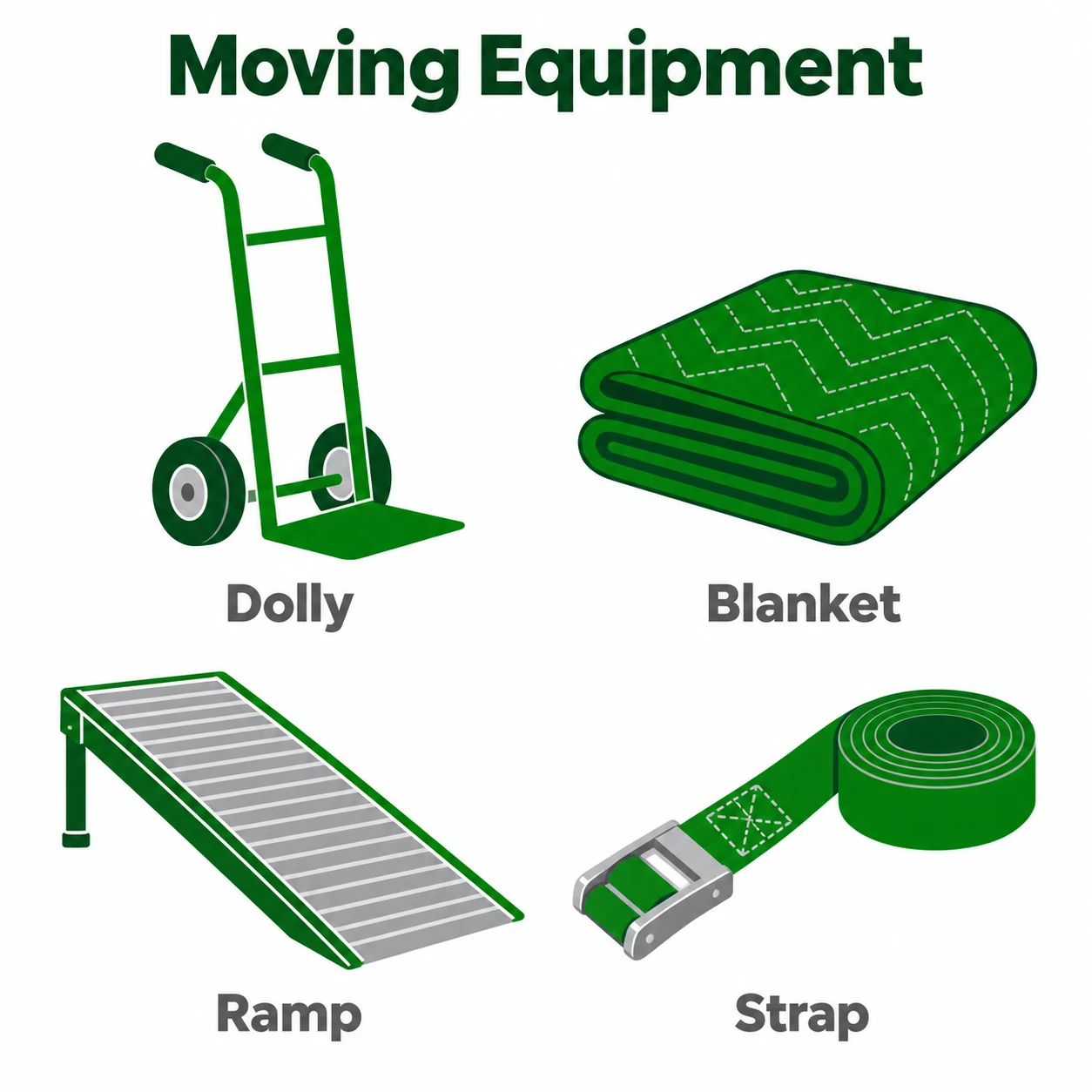
The right equipment makes a big difference when heavy items need to be moved safely. Professional movers will often use sack trucks, furniture blankets, straps, sliders, protective covers and other moving equipment depending on the item and the property.
Sack trucks are useful for boxed items, appliances and certain upright pieces because they reduce the amount of carrying needed. Furniture blankets help protect surfaces from knocks and rubbing while items are being carried, loaded or secured. Straps can improve grip and control, especially where an item is bulky rather than simply heavy.
Furniture sliders can also help when an item needs to be moved a short distance across suitable flooring before being lifted. They are not a substitute for proper carrying, but they can reduce unnecessary dragging and make positioning easier.
For very awkward items, movers may combine several methods. A wardrobe might be emptied, wrapped, angled carefully through a doorway and then secured in the vehicle with blankets between it and other items. A table may have legs removed and each part protected separately. A sofa may need to be turned through a doorway in a precise sequence rather than forced through.
Good equipment is only useful when it is used properly. That is why experience matters. Professional movers know when to carry, when to wheel, when to dismantle and when to slow down and rethink the route.
How movers protect your furniture and property
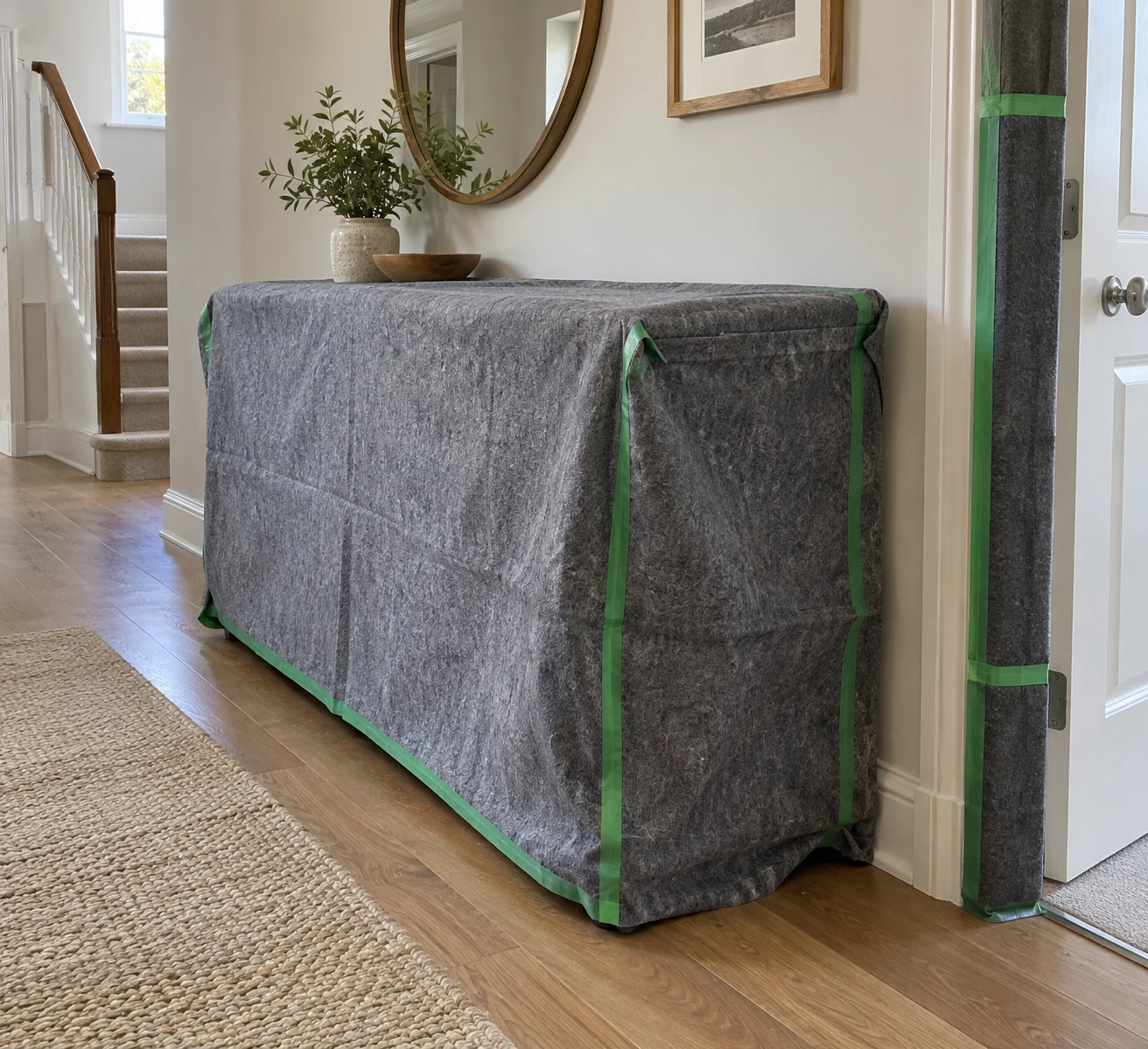
Protection is one of the main reasons people choose professional movers for heavy furniture. The risk is not only damage to the item itself. Door frames, bannisters, walls, floors and lifts can all be vulnerable during a move.
A careful team will remove or secure loose parts, wrap furniture where needed and create a clear path before lifting. Drawers may be taken out to reduce weight. Doors or legs may be removed from suitable furniture if doing so makes the item easier and safer to handle. Fragile elements, such as glass, mirrors or polished surfaces, need particular care and should not be treated like ordinary boxed items.
Furniture blankets help prevent surface marks, especially when items are close together in the removals vehicle. They also help when items need to pass through tight hallways or stairwells. In many cases, the best protection is simply good control, with movers communicating clearly and moving at a steady pace.
Packing also affects how heavy furniture is handled. If loose items are left inside drawers, cabinets or sideboards, they can shift, add unnecessary weight and cause internal damage. For smaller delicate belongings, a proper packing approach can make the whole move easier. Triple A Removals has separate guidance on packing fragile items safely, which is useful when preparing rooms before the larger furniture is moved.
Safe lifting is about technique, teamwork and communication
Professional movers do not rely on one person taking the strain. Heavy furniture is moved through teamwork. Before lifting, the team will agree who is leading, where each person will stand and how the item will be turned, lowered or carried.
Clear communication prevents rushed decisions. Simple instructions, steady pacing and agreed stopping points can make a difficult lift much safer. If a mover cannot see where they are going, another team member may guide them around corners or down steps. If the route feels wrong, the team can pause and adjust before damage happens.
Technique matters as much as strength. Movers keep items close where possible, avoid sudden twisting and use controlled movement rather than sharp pulls. They also know when a lift is not sensible. Some furniture should be dismantled, some should be moved with equipment and some may need a different access route.
Homeowners can help by keeping children and pets away from the working area, clearing loose shoes, rugs and clutter, and pointing out anything fragile or unusual before the lifting starts. A good removals team will guide the process, but a clear space makes their job safer and quicker.
When dismantling or storage is the better option
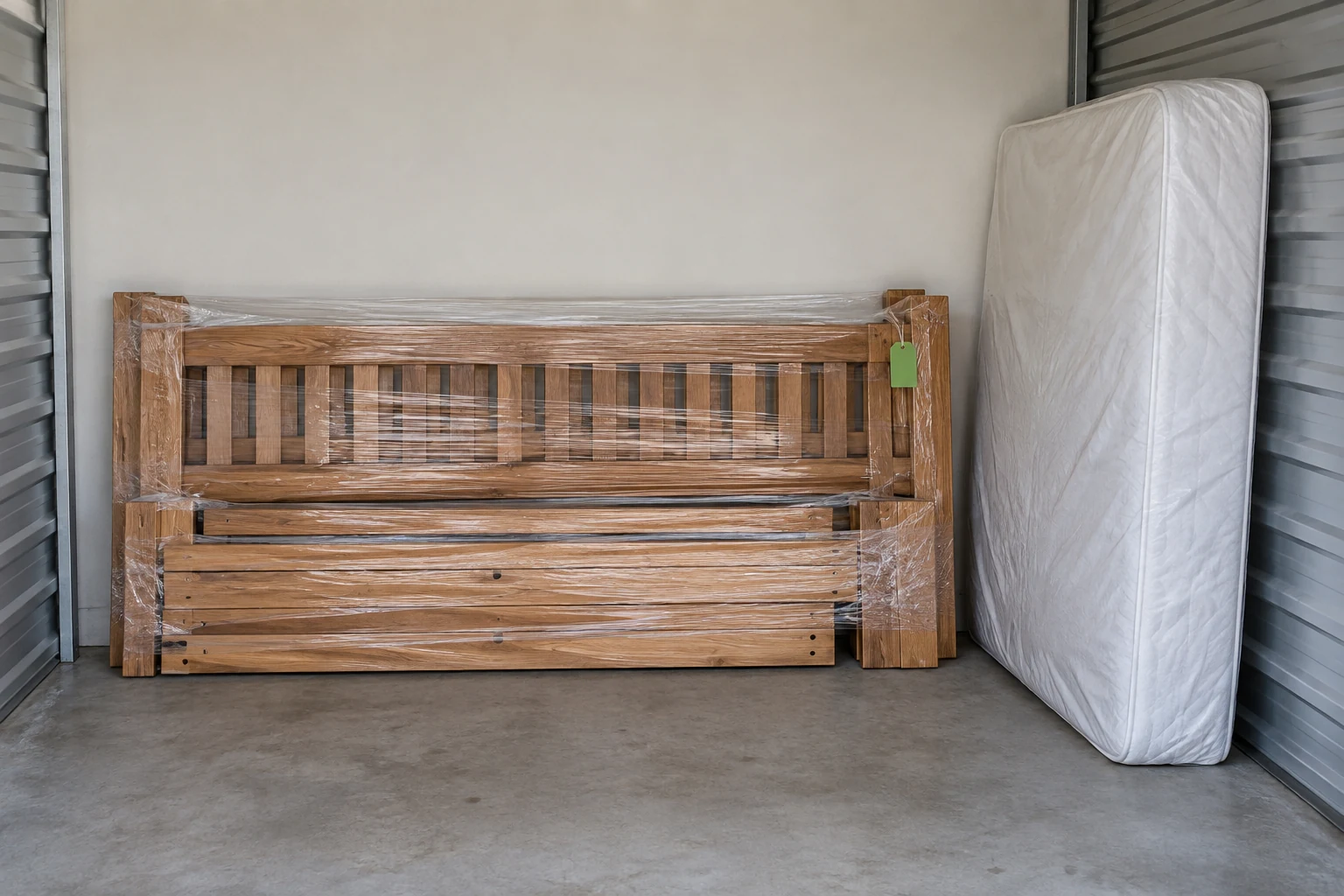
Not every heavy item should be moved in one piece. Large wardrobes, bed frames, desks, shelving units and tables can often be moved more safely after partial dismantling. This reduces weight, protects joints and makes it easier to pass through narrow spaces.
Professional movers will look for the sensible option. If removing legs from a table avoids scraping a wall, it is usually worth doing. If a cabinet is too fragile to carry while fully assembled, breaking it down carefully can prevent stress on the frame. Any screws, fittings or small parts should be bagged and labelled so reassembly is straightforward.
There are also times when storage helps. If completion timings do not line up, if decorating needs to happen first or if bulky furniture cannot go straight into the new property, temporary storage can keep items secure while the rest of the move continues. For more on what can be stored during a move, see Triple A Removals’ guide to putting items into storage during a house move.
The key is to avoid forcing a decision on moving day. If you know an item is unusually heavy, delicate or awkward, mention it when arranging your move. That gives the team time to bring the right equipment and plan the safest approach.
How to prepare heavy furniture before moving day
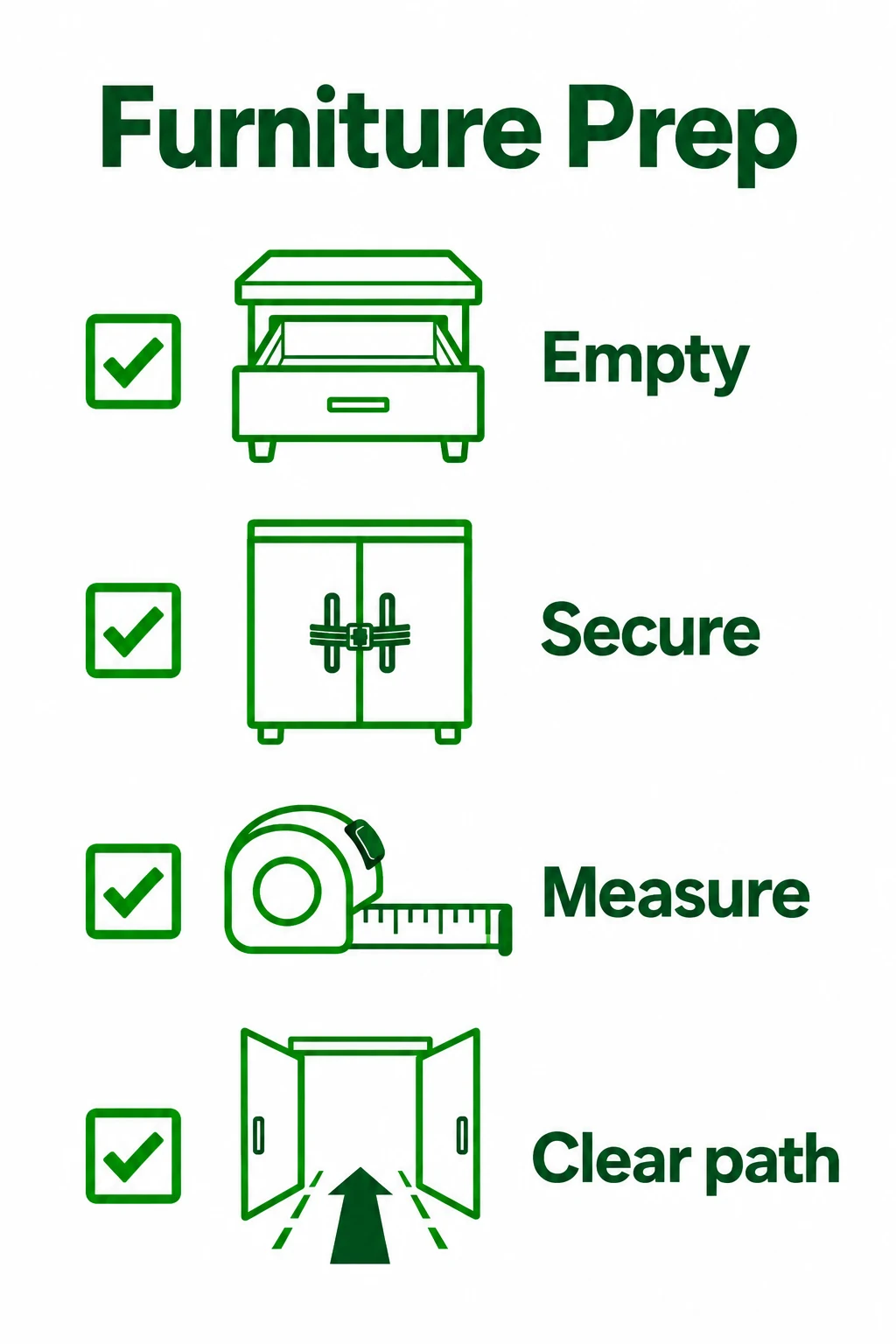
A little preparation can make heavy furniture much easier to handle. You do not need to do the movers’ job for them, but you can make sure the property is ready and that important details are easy to spot.
- Empty drawers, cupboards and shelves before the team arrives.
- Remove small loose items from surfaces and nearby walkways.
- Point out furniture that is fragile, antique, previously repaired or difficult to replace.
- Keep keys, fittings and assembly instructions together if furniture may be dismantled.
- Make sure parking and access are as clear as possible.
- Let the movers know about tight staircases, lifts, shared entrances or access restrictions.
It is also helpful to decide what is definitely moving, what is being cleared and what may need storage. A room by room plan prevents confusion when larger items are being loaded. If you are still organising the wider move, a moving house checklist can help you keep the practical details under control.
Professional movers will take charge of the heavy lifting, but good preparation gives them the best conditions to protect your belongings and your home.
- Heavy furniture should be assessed before lifting, including weight, shape, condition and access route.
- Professional movers use equipment such as sack trucks, straps, sliders and furniture blankets to improve safety and control.
- Damage prevention depends on preparation, protective materials, teamwork and clear communication.
- Dismantling or temporary storage can be the safest choice for awkward or delicate items.
- Homeowners can help by clearing routes, emptying furniture and flagging fragile or unusual pieces early.
Frequently asked questions
Do movers dismantle heavy furniture?
Movers can often dismantle suitable furniture when it makes the move safer or more practical. It depends on the item, how it is built and what has been agreed before moving day.
How do movers stop furniture getting damaged?
They use planning, protective wrapping, furniture blankets, careful lifting techniques and secure loading. They also remove loose parts where needed and avoid forcing items through tight spaces.
Should I empty drawers before movers arrive?
Yes, it is usually best to empty drawers and cupboards. This reduces weight, stops contents shifting and helps protect both the furniture and the people carrying it.
Can professional movers handle very awkward items?
In most cases, yes. The team may use specialist equipment, extra movers, dismantling or a different access route. Tell them about awkward items in advance so they can plan properly.
Planning a move with heavy furniture?
Triple A Removals can help you move bulky, awkward and valuable items with care. Get in touch to talk through your move and the furniture you need handled safely.