Putting furniture into storage is often the easiest way to keep a move, clearance or renovation moving smoothly. A little preparation before the items leave your home can make a big difference to how well they come back out.
Whether you are storing a sofa for a few weeks, keeping office desks out of the way, or protecting used furniture until it is needed again, the aim is simple. Keep each item clean, dry, secure and easy to handle.
Start with a clear plan for what is going into storage
Before wrapping anything, decide exactly which pieces are going into storage and which are staying in use. This avoids rushed decisions on moving day and helps you choose the right packing materials.
Make a simple list by room or furniture type. For example, sofas, wardrobes, dining tables, office chairs, filing cabinets, shelving units and loose accessories. Note anything that is heavy, fragile, awkward to lift, or likely to need dismantling.
It also helps to think about when you will need each item again. Furniture needed soon should be easier to access than items you are happy to leave stored until the next stage of your move or project.
If you are unsure whether something is suitable for storage, Triple A Removals has a helpful guide on what you can put into storage during a house move. Once you know what is going in, the next job is preparing each piece properly.
Clean and dry furniture before it is wrapped
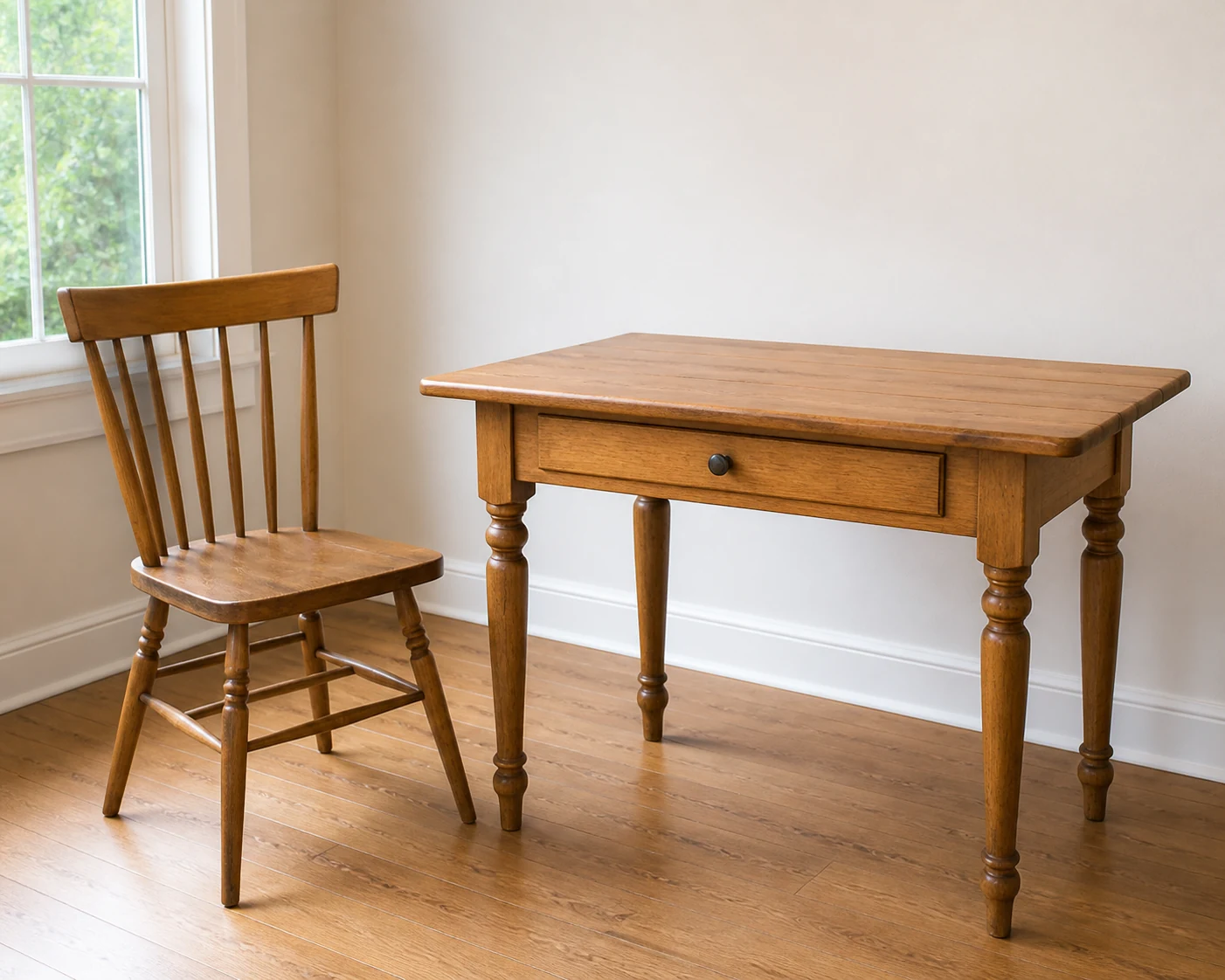
Furniture should always be clean and dry before it is wrapped or loaded. Dust, crumbs, spills and moisture can cause problems if they are trapped under covers, especially on fabric, leather and wooden surfaces.
For upholstered furniture, vacuum into the corners, under cushions and along seams. Remove loose cushions where possible and pack them separately in breathable covers or suitable bags. If a sofa or chair has any damp patches from recent cleaning, let it dry fully before it is moved.
Wooden furniture should be wiped with a soft cloth. Avoid over wetting surfaces, as excess moisture can mark the finish or swell exposed edges. Glass tops, mirrors and polished surfaces should be cleaned before wrapping, as grit left on the surface can scratch when blankets or covers move during handling.
Office furniture needs the same care. Empty desks, cupboards and filing cabinets. Remove loose stationery, cables and small parts. If drawers lock, keep the keys in a labelled bag rather than leaving them loose inside the furniture.
Dismantle large items where it makes sense
Some furniture stores better when it is partly dismantled. Bed frames, large tables, modular sofas, wardrobes and shelving units can often be made easier to move and safer to stack by taking them apart carefully.
The key is to keep fixings with the item they belong to. Put screws, bolts, brackets and shelf pegs into a small bag, then tape the bag to a hidden or protected part of the furniture. Label it clearly so you are not guessing later.
Do not dismantle furniture if doing so would weaken it, damage old joints, or make it harder to rebuild. Some used furniture has been assembled for years and may not respond well to being forced apart. In those cases, it is better to protect the whole item and move it as one piece.
If an item is being stored before reuse, resale or donation, condition matters. Triple A Removals also works with used furniture, so it is worth taking a little extra care with pieces that still have practical life left in them.
Use the right protection for each surface
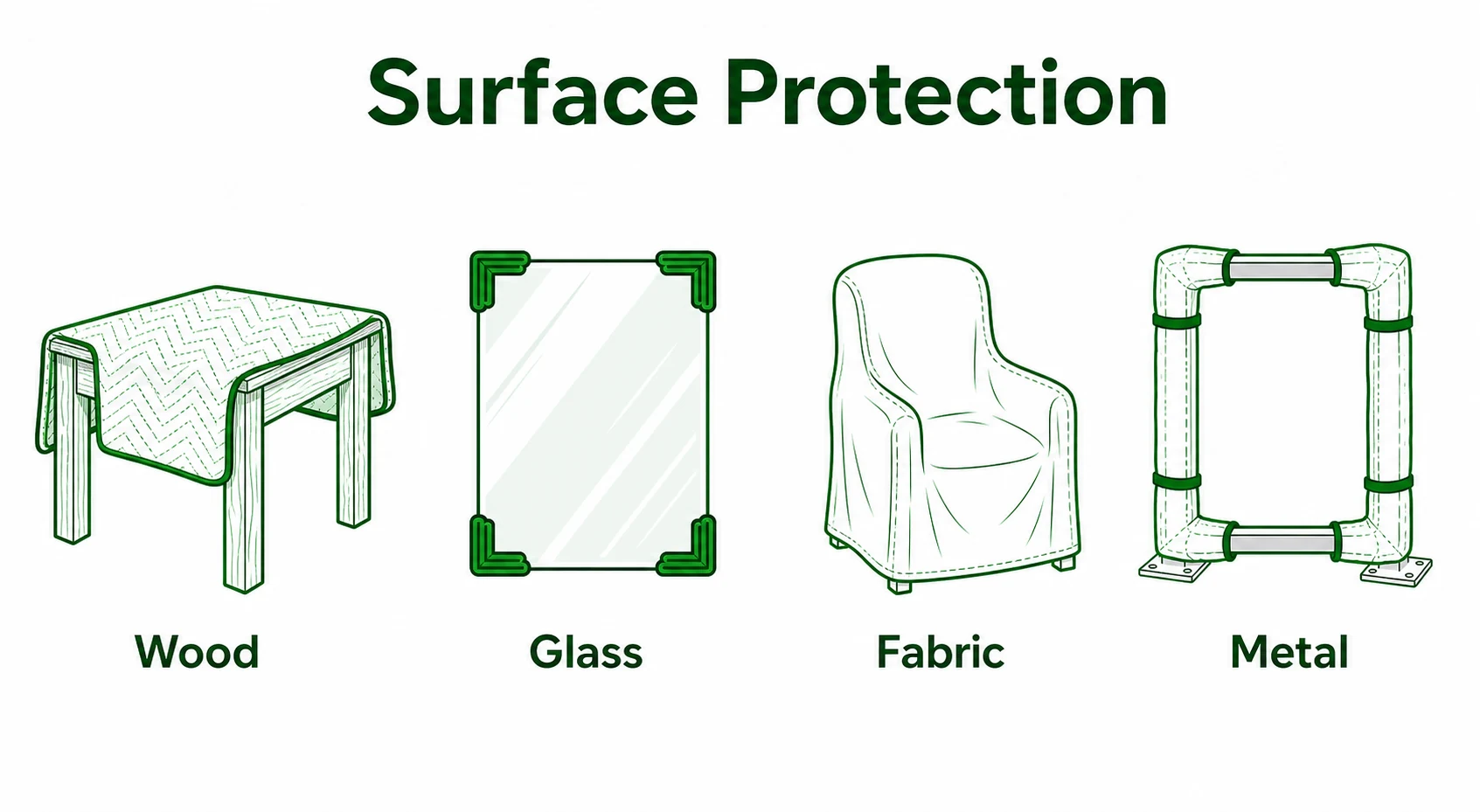
Furniture blankets are useful because they protect against knocks, rubbing and pressure marks while items are being handled and loaded. They are especially helpful for wooden furniture, tables, sideboards, wardrobes, chairs and larger office items.
Blankets should sit flat against the item and cover corners wherever possible. Secure them so they do not slip, but avoid placing strong tape directly onto polished wood, leather, fabric or painted finishes. Tape can leave residue or lift delicate surfaces.
For glass, mirrors and fragile panels, use more structured protection. Wrap the surface, protect the corners and keep the item upright where suitable. Small fragile items, lamps, picture frames and decorative pieces should not be tucked loose into drawers or placed on top of furniture. Pack them properly in boxes with cushioning.
If you need more detailed guidance for delicate pieces, the Triple A Removals guide to packing fragile items safely explains how to reduce the risk of chips, cracks and movement inside boxes.
For fabric items, breathable covers are usually better than wrapping everything tightly in plastic for a long period. Plastic can trap moisture if the furniture is not completely dry. For short storage, it can be useful during handling, but the furniture still needs to be protected in a way that suits the material.
Pack smaller parts and labels with future access in mind
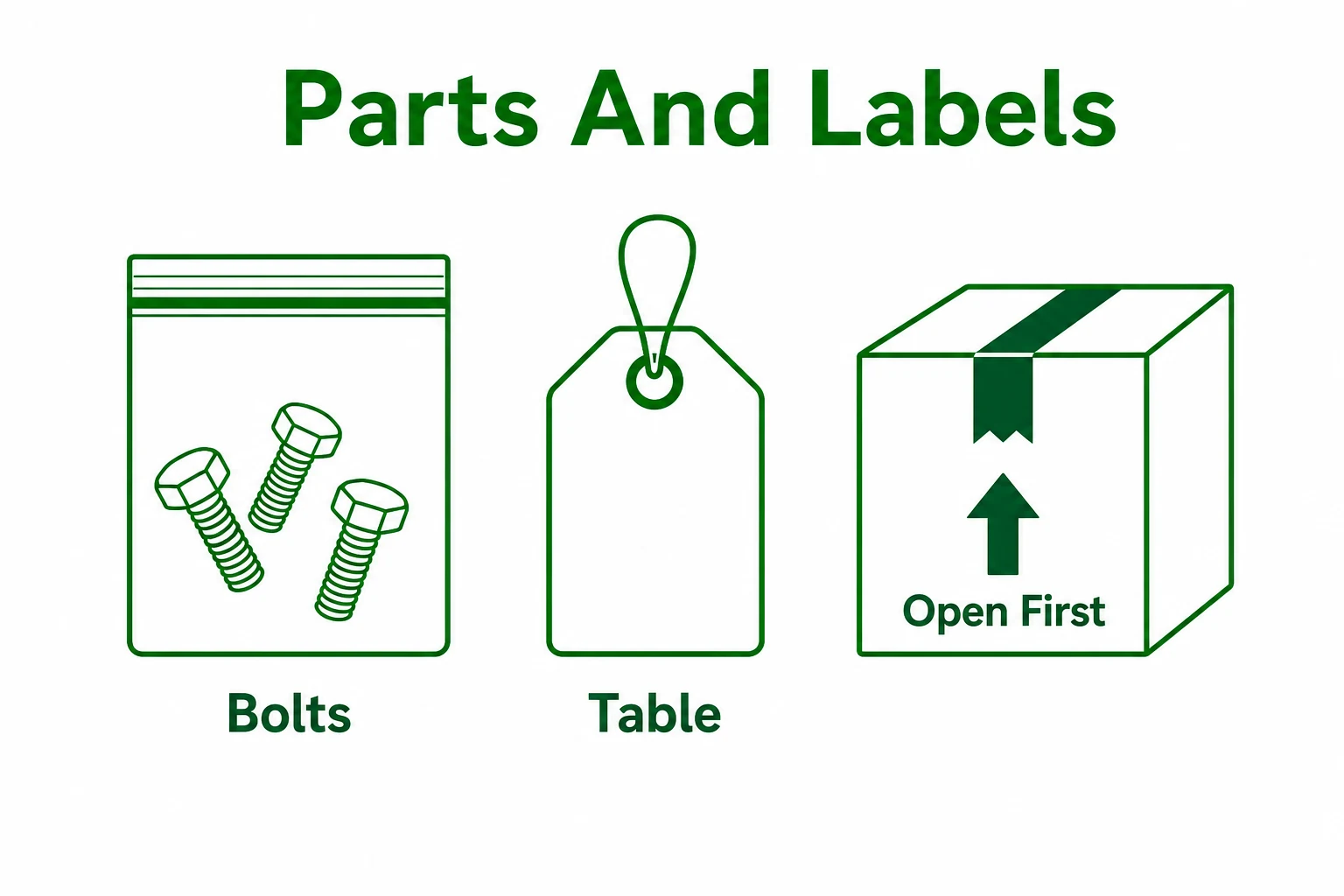
Storage is much easier when boxes and loose items are labelled properly. You do not need an elaborate system. A clear label with the room, contents and any handling note is usually enough.
For example, a box labelled living room cushions, keep dry is more useful than a vague label such as bits. If a box contains parts needed to rebuild a bed or table, write that clearly on more than one side.
Keep remote controls, shelf supports, furniture feet, castors, keys and brackets together with the related item. If several items are from the same room, group their small parts in separate labelled bags inside one labelled box.
Try not to overload boxes with heavy items. Books, files, tools and crockery can become difficult to lift very quickly. Use smaller boxes for heavy contents and larger boxes for lighter bulky items such as cushions, bedding and soft furnishings.
Good labelling also helps the removals team load storage in a sensible order. Items that may be needed first can be kept more accessible, while furniture that will stay stored for longer can be placed further back.
Think about safe loading before the furniture leaves
Preparing furniture is not only about wrapping it. It is also about making it safe to move from the property into the vehicle and then into storage. Clear walkways, measure tight spaces and remove trip hazards before lifting begins.
Heavy items should be handled with the right equipment and enough people. Sack trucks, blankets, straps and careful lifting techniques all help reduce the risk of damage to the furniture, the property and the people moving it.
Do not stack weight onto weak surfaces. A sturdy table may handle careful loading, but a fabric chair, glass top or lightweight cabinet should not be used as a base for heavy boxes. Where furniture is stacked, weight should be spread sensibly and protected from rubbing.
A professional storage service can make this stage much simpler because packing, loading and storage are considered together. Instead of preparing furniture in isolation, the whole process is planned around keeping items protected from collection through to return.
Before the team arrives, open doors, move small obstacles and point out anything delicate, recently repaired or awkward to carry. Clear communication saves time and helps everyone handle the items correctly.
- Clean and fully dry furniture before wrapping it for storage.
- Keep screws, keys and small parts labelled with the item they belong to.
- Use blankets, covers and boxes that suit the material, weight and fragility of each piece.
- Label boxes clearly so stored items are easier to find later.
- Plan loading carefully so heavy furniture, fragile items and access needs are all handled sensibly.
Frequently asked questions
Should I wrap furniture in plastic before storage?
Plastic can help protect items during handling, but it should be used carefully. Furniture must be clean and dry first, and fabric pieces should not have moisture trapped against them. Blankets, breathable covers and proper wrapping are often better for protecting surfaces.
Do I need to empty drawers before furniture goes into storage?
Yes, it is usually best to empty drawers, cupboards and desks. Loose contents can move around, add weight and cause damage. Small parts such as keys or fixings should be bagged, labelled and kept with the relevant item.
Should furniture be dismantled for short term storage?
Dismantle furniture when it makes the item safer and easier to move, such as bed frames, tables or modular pieces. Avoid forcing apart older or delicate furniture if dismantling could damage it.
How can I stop furniture getting scratched in storage?
Clean surfaces first, cover corners and edges, use furniture blankets where suitable and avoid placing heavy boxes on delicate items. Good loading matters as much as good wrapping.
Need help preparing furniture for storage?
Triple A Removals can help with careful packing, handling and storage, so your furniture is protected from collection until you need it again.