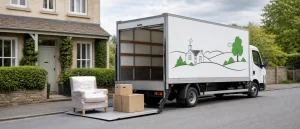
If you are arranging a house clearance, one of the biggest worries is often what will happen to good furniture. Many people feel uncomfortable with the idea of usable tables, wardrobes, chairs or cabinets simply being thrown away.
The good news is that a careful clearance can separate reusable furniture from general waste. With the right approach, suitable items can be identified, protected and moved on responsibly, while damaged or unsuitable items are handled in the correct way.
Why reusable furniture should be identified early
The best time to think about reuse is before the clearance starts. A quick walk-through of the property helps to spot items that may have a second life, such as solid wood furniture, clean dining sets, chests of drawers, bedside tables, desks, bookcases and occasional chairs.
Early sorting also helps avoid unnecessary damage. If a piece is likely to be reused, it can be kept away from rubble, bagged waste, damp areas and items with sharp edges. This is especially important in crowded rooms, loft spaces and sheds where usable furniture may be mixed in with broken or unwanted belongings.
How items are separated during a clearance
A practical clearance team will normally group items as they work through the property. Furniture that appears reusable can be set aside, while general rubbish, broken items and materials for recycling are kept separate. This makes the clearance more organised and reduces the chance of something useful being treated as waste by mistake.
- Reusable furniture is kept clean and dry where possible.
- Fragile surfaces may be protected with blankets or careful handling.
- Large items are checked before being moved through doorways or stairwells.
- Mixed contents are sorted so furniture is not hidden under bags or loose items.
This approach is particularly useful for smaller homes and upper-floor properties, where space is limited. If you are planning a flat clearance, it is worth mentioning any items you would especially like to save from disposal.

What makes furniture suitable for reuse
Not every item can be reused, even if it still looks useful at first glance. Suitability usually depends on condition, cleanliness, safety and demand. A strong, clean chest of drawers may be easy to rehome, while a sofa with heavy staining, missing parts or no required labels may not be suitable.
- Solid structure with no major cracks or instability.
- Clean surfaces and no strong odours.
- No signs of pest damage or heavy damp.
- All essential parts present, such as drawers, shelves or fixings.
- Safe upholstery, including appropriate fire safety labels where needed.
There is also a practical side. Very large wardrobes, fitted units or damaged flat-pack furniture may be difficult to move or reuse. A good clearance provider can give a realistic view on what is likely to be reusable and what is better treated as waste or recycling.

Where usable furniture can go next
Once reusable furniture has been separated, there are several possible routes. Some items may be suitable for resale, some may be passed on, and others may be kept by the customer or offered to family members. The right option depends on the condition of the furniture and what arrangements are available.
Triple A Removals supports reuse through its used furniture service, helping suitable pre-owned pieces avoid unnecessary disposal where possible. This is especially helpful when a property contains furniture that is too good to throw away but no longer needed by the owner.
If you are clearing mixed areas as well as rooms inside the home, services such as garage clearance can also help separate usable items from general rubbish.

How to prepare before the clearance
A little preparation can make it easier for reusable furniture to be spotted. If you are able to visit the property beforehand, label or list any items you believe are in good condition. You do not need to empty every drawer, but removing personal documents, jewellery, photographs and sentimental items is always sensible.
- Mark items to keep, reuse, sell or clear.
- Tell the clearance team about any valuable or sentimental pieces.
- Open access routes where possible.
- Keep keys for cabinets, garages and outbuildings available.
- Separate paperwork and personal effects before furniture is moved.
If you are unsure whether your property is within reach, check the areas covered page before booking. Clear notes at the start help the team work efficiently and respect your wishes.
What happens to furniture that cannot be reused
Some furniture has to be disposed of because it is unsafe, heavily damaged, contaminated, incomplete or unsuitable for resale. That does not mean it should be handled carelessly. Responsible clearance means separating materials where appropriate and using proper disposal routes for waste.
Wood, metal, textiles and electrical parts may need different handling. If an item contains glass, sharp fittings or heavy components, it should be moved safely to protect both the property and the people carrying it. Customers can also ask how waste is managed, especially when a clearance includes a mixture of furniture, household contents and outdoor items.

- Usable furniture should be identified before or during the clearance, not mixed with general waste.
- Condition, cleanliness, safety and practicality all affect whether an item can be reused.
- Good items may be resold, passed on or handled through a used furniture service.
- Clear labels and instructions help the clearance team follow your wishes.
Frequently asked questions
Will everything from a house clearance be thrown away?
No. A careful clearance can separate reusable furniture, recyclable materials and general waste. Items that are clean, safe and in good condition may be suitable for reuse rather than disposal.
Can I choose which furniture is kept or reused?
Yes. It helps to label items clearly or provide a simple list before the clearance begins. This is especially useful if several family members are involved or if some furniture has sentimental value.
Can upholstered furniture be reused?
Sometimes. Upholstered items need to be clean, safe and in suitable condition. For resale or donation, fire safety labelling may also be needed, so not every sofa, armchair or mattress will qualify.
What if I am not sure whether an item is worth keeping?
Ask the clearance team to assess it during the visit. They can usually explain whether it looks suitable for reuse, whether it is better recycled, or whether it needs responsible disposal.
Planning a careful clearance?
If you want usable furniture handled thoughtfully during a clearance, Triple A Removals can help you discuss the best approach before work begins.