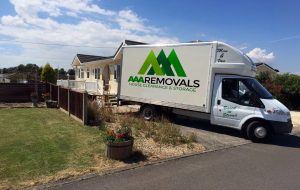
What Is House Clearance After Death?
House clearance after death means clearing a deceased person’s house of furniture, personal belongings, and unwanted items. This can include:
- Sorting sentimental possessions
- Removing furniture
- Donating or selling items
- Disposing of waste responsibly
In the UK, this process is often linked to probate, property sale, or preparing the home for new occupants.Many families look for a simple bereavement house clearance guide because they are unsure where to begin. We understand how overwhelming it can feel.
Who Is Responsible for House Clearance After Death?
In most cases, the person legally responsible is the executor of the will.
What does that mean?
An executor is the person named in the will to manage the estate. If there is no will, an administrator is appointed instead.Part of the executor’s responsibilities for house clearance includes:
- Securing the property
- Valuing belongings
- Arranging the removal of items
- Paying necessary expenses from the estate
So, when people ask, who is responsible for house clearance after death? The answer is usually the executor.
Does the Estate Pay for House Clearance?
In most situations, yes.The general rule in the UK is that the estate pays for house clearance. This means the cost is covered by the deceased person’s money or assets before anything is distributed to beneficiaries.This is treated as an estate expense, similar to funeral costs and legal fees. Probate and house clearance costs are usually settled before inheritance is paid out.
Simple example:
If the estate contains:
- £15,000 in savings
- A property
- Personal belongings
And the cost of house clearance after death is £1,500, that £1,500 is paid from the estate funds.Only after all expenses are covered will the remaining money be shared.
How Much Does House Clearance Cost After Death UK?
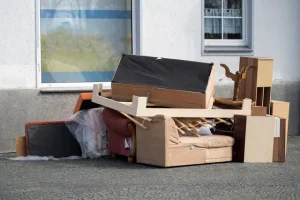 Many families also ask: how much does house clearance cost after death?The cost depends on:
- Size of the property
- Amount of furniture
- Access to the home
- Whether items need sorting or storage
- Waste disposal requirements
As a rough guide:
- Small flat: £400–£900
- Average 2–3 bed house: £900–£2,000
- Larger or heavily furnished homes: more
We always recommend getting a clear quote in advance. At Triple A Removals, we provide transparent pricing with no hidden charges.
Can You Clear a House Before Probate?
This is one of the most common concerns around probate and house clearance costs.The short answer is yes, but carefully.You can clear a house before probate is granted, but:
- You should not sell valuable items without proper valuation
- You must keep records of items removed
- You should ensure nothing conflicts with the will
The executor must protect the estate’s value. Removing rubbish or unwanted furniture is usually fine. Selling antiques or high-value items before valuation can create legal issues.When in doubt, we suggest seeking legal advice first.
Who Pays If There Is No Money in the Estate?
This situation can be stressful.If there is no money in the estate, then technically, there are no funds to pay for clearance. In that case:
- Family members may choose to cover the cost personally
- Items may be sold to offset expenses
- Some companies may reduce costs if resale value exists
Legally, relatives are not automatically responsible for paying estate debts unless they agree to do so. However, many families choose to fund the clearance to move forward while selling the property.
What Happens to Belongings After Someone Dies?
This depends on the will.Belongings may be:
- Left to specific people
- Sold and added to estate funds
- Donated to charity
- Recycled or disposed of
We always advise families to:
- Check the will first
- Identify sentimental or high-value items
- Photograph important belongings
- Take time before making emotional decisions
Clearing a deceased person’s house is not just practical. It is deeply personal.
Step-by-Step: How We Suggest Approaching It
Here is a simple framework we often recommend:
-
Confirm Legal Authority
Ensure the executor has the authority to act.
-
Secure the Property
Change locks if necessary and check insurance.
-
Sort Important Documents
Locate wills, bank papers, and legal records first.
-
IdentifyItems to Keep
Ask family members early to avoid disputes.
-
Value High-Worth Items
Antiques and jewellery should be assessed.
-
Arrange Professional Clearance
This ensures safe, compliant disposal.Taking it step by step reduces stress and avoids mistakes.
Common Mistakes to Avoid
We have seen families run into problems by:
- Clearing everything too quickly
- Throwing away documents
- Selling items before valuation
- Not keeping receipts
- Forgetting about lots and garages
If the property includes additional areas like outbuildings, a separate service such as garden clearance may also be needed.Planning properly prevents legal and financial issues later.
Should You Use a Professional Clearance Company?
You can clear a property yourself. Many families do.However, professional help can make a significant difference when:
- The property is large
- You live far away
- Time is limited
- Emotions are overwhelming
- The property must be prepared for sale
For example, if you are arranging a house clearance or need support with a flat clearance, working with experienced professionals saves time and ensures responsible disposal.If items need temporary storage during probate, a secure storage service can also help.
What This Means for You and Your Family
Dealing with property after a bereavement is never easy. Questions around who pays for house clearance after death often add extra worry at an already emotional time.The most important thing to remember is this: in the UK, the estate usually covers the cost. The executor manages the process, and expenses are settled before inheritance is distributed.Take your time. Keep records. Ask for help when needed.
How We Can Help
If you need help during this difficult time, Triple A Removals is here to support you with respectful and professional house clearance services. Our experienced team understands the sensitive nature of bereavement clearances and works carefully to handle belongings with dignity and care.If you need us to clear the whole house, remove just a few unwanted items, carefully pack belongings, or help with moving after probate, we are here to make everything easier for you.Contact us today. We are ready to support you when you need it most.