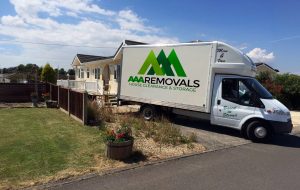
Clearing a flat involves more than deciding what should go. An upstairs sofa, a narrow landing or a shared entrance can all affect how unwanted items leave the property. The good news is that these are practical details that can be planned for before clearance day.
Whether you are preparing a property for new occupants or helping a relative clear their home, understanding the process makes preparation easier. Here is how stairs, lifts, neighbours and bulky furniture fit into a safe, organised flat clearance.
Start with an access assessment
A useful flat clearance assessment covers both the items inside your home and the route to the collection vehicle. The floor number matters, but so do the number of stair flights, landing shapes, entrance doors and distance from the building to suitable parking.
When requesting a quote, share these details:
- Which rooms need clearing and which items must stay.
- Your floor number and whether there is a working lift.
- Any narrow doorways, winding stairs or awkward turns.
- Large, heavy or fragile items, including appliances.
- Parking arrangements, entry codes and building access rules.
Photographs of the items and access route can help identify what needs checking. Include stair corners and door openings rather than just the furniture. Measurements may also be needed, particularly for anything bulky or unusually shaped.
If access is complicated, ask whether a visit is appropriate before agreeing the work. A clear assessment helps establish the right team, equipment and handling method. It also lets you confirm what the quote includes, such as agreed dismantling, removal of loose contents and disposal.
Plan how furniture will travel down the stairs

A flat without a lift can still be cleared. The approach depends on the items, the staircase and whether there is enough space for controlled handling. Tight turns often matter more than the overall width of a straight flight.
Before anything moves, the route should be checked for loose mats, trailing cables and other obstacles. Appropriate protection can help guard vulnerable surfaces, provided it is secured and does not create a slipping or tripping risk.
Some furniture can be made easier to handle by removing drawers, shelves, legs or detachable sections. Dismantling should be agreed in advance, particularly where an item is being kept for reuse. Emptying cupboards and drawers also prevents loose contents shifting during the carry.
If an item will not pass safely, the method needs reconsidering. Forcing furniture around a bend risks damage and injury. Explain any known difficulties from when the item originally entered the flat. Where the normal route is unsuitable, any alternative needs a separate assessment and relevant permission. Removal through a window or balcony should never be assumed to be part of a standard clearance.
Check lift permissions and loading access

A lift can simplify a flat clearance, but its availability does not automatically mean it can carry every item. The door opening, internal dimensions and stated load limit all need checking. A wardrobe might fit inside the lift yet fail to pass through its doorway.
Ask your managing agent, landlord or building manager whether the lift can be used for clearance work. Some buildings require a booking, protective coverings or use of a designated service lift. Confirm any permitted working hours and whether another resident needs access throughout the booking.
The lift must be used within its stated limits, allowing for both people and items. Its doors should not be forced or held open in ways that interfere with safe operation. If it becomes unavailable, let the clearance company know so the plan can be reviewed.
Outside, establish where a vehicle can lawfully stop and load. Check whether a parking permission or reserved loading space is needed and who will arrange it. Mention steps, gates and long paths between the entrance and parking area, as these are part of the handling route too.
Keep shared areas safe and neighbours informed
Shared access means other residents still need to enter and leave while the clearance takes place. A brief notice can help neighbours understand when furniture will be moving through the building, especially if the lift or entrance will be busier than usual.
Follow any building procedure for giving notice. Keep the message practical: the expected day, agreed working window and a contact for access questions. There is no need to share private details about why the flat is being cleared.
Corridors, stairs and landings should not become temporary storage areas. Items should move through the agreed route in a controlled sequence, with space for residents to pass safely. If someone needs to get through during a carry, the team should pause at a safe point.
Fire exits and escape routes must remain clear. Fire doors should not be wedged open, and communal entrances should not be left unsecured. Arrange entry with the building manager where necessary rather than relying on an open door. Tell the clearance team about any access needs that affect the shared route, without disclosing unnecessary personal information about neighbours.
Prepare your belongings and confirm what happens next

Before clearance day, separate items to keep from those to remove. Check drawers, cupboards and pockets for documents, keys, jewellery and personal keepsakes. Clear labels are helpful, but putting retained belongings in a separate room gives everyone an even clearer boundary.
If you are keeping delicate possessions, these tips for packing fragile items safely can help you protect them before the clearance starts. Keep children and pets away from the working route.
Flag anything needing special handling, including paint, chemicals, batteries, gas cylinders and damaged electrical items. Do not assume these can go with general contents. Confirm what can be accepted and whether separate arrangements are needed. Appliances connected to gas, water or fixed wiring may need suitable disconnection before removal.
Ask how reusable items and waste will be handled. Where items are removed as waste, check that the business has the appropriate waste carrier registration and ask what collection paperwork you will receive. Finish with a walk through the flat to confirm the agreed items have gone and retained belongings remain in place.
- Share access details and photographs before agreeing the clearance.
- Check stair turns, lift dimensions and building permissions early.
- Keep communal routes clear and fire doors operating normally.
- Separate belongings to keep and flag items needing special handling.
- Confirm disposal arrangements and the scope of the quote.
Frequently asked questions
Can a flat be cleared if there is no lift?
Yes, many flats can be cleared using the stairs. The team needs to assess the staircase, items and carrying route first so suitable staffing and handling arrangements can be planned.
Do I need permission from my neighbours?
Not usually from individual neighbours, but building rules may require approval or notice from the managing agent or landlord. Check arrangements for communal areas, lift use and working hours before booking.
Is flat clearance the same as flat removals?
Flat clearance focuses on removing unwanted contents. Flat removals usually involve transporting belongings you are keeping to another property. If you need both, identify which items are going where when discussing the work.
Do I need to carry anything downstairs beforehand?
You do not need to move bulky items yourself to prepare for an agreed clearance. Leave them where they can be assessed safely, separate anything you are keeping and avoid placing bags or furniture in shared areas.
Talk through your flat clearance
Tell Triple A Removals what needs clearing and how your flat is accessed. Share details of stairs, lifts and parking so we can discuss a practical plan for your property.